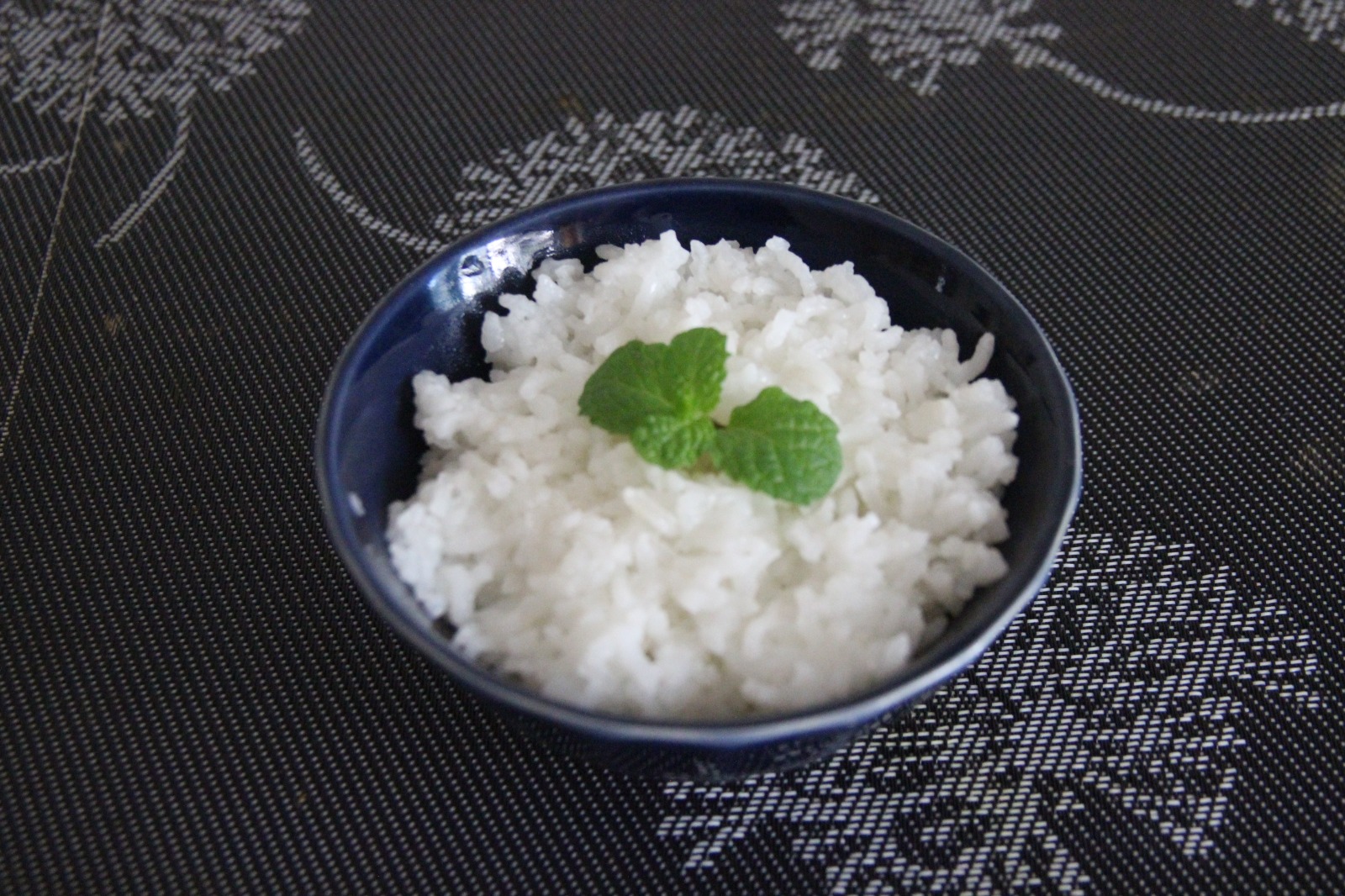
The first time I tasted Indrayani rice, it felt like a childhood memory, warm and slightly sticky. It clung to my fingers and to my heart.
We had stopped at a dhaba on our way from Nasik to Mumbai, the kind mostly visited by travellers on route on the highway. I ordered a simple meal of rice, dal, and a sabzi. When it arrived, I frowned at the sticky-looking rice, unlike the semi-cooked basmati rice which is usually served. But my hungry hand ignored it and quickly mixed it with dal, took a bite, and then what I experienced, I can only call it rice nirvana.
Its pleasant aroma rose gently and subtly touched my senses, like that earthy fragrance after the first rain, not too much and not too little. It slumped and soaked up the flavour of the dal completely and the bite was smooth and creamy, like someone had lovingly created it for a child who had just learned to eat.
For the next bite, I tried just the plain rice. It had a slightly sweet aftertaste. I was mesmerised. In that moment, I knew I’d found my new love — Indrayani rice.

A Deep-Rooted Connection to Rice
Rice is one of humanity’s most enduring food staples and has found its way from biryani to sushi. As per some research papers, they could date rice to 4500 BC. Till the 1960s, India had around 110,000 varieties of rice, but now we have only around 6000 varieties left.
Each region in India has its own variety of rice and most people are loyal to it across generations. Take my family, for example. Our roots belong to Kerala, but we live in Maharashtra, yet my parents have been loyal to their favourite matta rice and kolam rice. And when I decided to live by myself, I followed suit and regularly cooked kolam rice. The taste was familiar, so I never ever thought of changing the rice I ate until now.
People in Maharashtra ate ambemohar, wada kolam, HMT, chinoor etc. before Indrayani was introduced in the market and some changed their loyalties permanently. Most people have been eating it for so long and they love it so much that they believe Indrayani rice is an ancient variety, but actually it is not so.
Rice & Research
When I had a detailed conversation about this with NH Borade, an Agricultural Supervisor at Vadgaon Agriculture Department, he told me the true story.
Dr Kalke created Indrayani rice by mixing the Ambemohar with IR8. Though Ambemohar was popular, it grew to a height of 5.50 feet to 6 feet and if there was heavy rain, then the grains would fall off and there would be a reduction in the quantity of rice. They wanted something that would have the hardiness and adaptability to the climate and soil conditions of Maharashtra, along with the fragrance and softness of premium rice variety. The research started in 1979 and after years of trials at Mahatma Phule Agricultural University’s Rice Research Centre near Lonavala, they finally succeeded and released it to the public in 1987.
Though initially the rice didn’t take off because of its sticky nature, but now after almost 40 years, people have become its biggest fans. Its stickiness and fragrance have become its trademark. You’ll find restaurant menus highlighting Indrayani rice with tambda rassa or aalni rassa. No other rice finds that kind of mention, that itself speaks volumes about the premium quality it offers.
Kids love it for its sweet taste and mushy quality with the favourite combination being varan bhaat and doodh bhaat. Even simple dishes like curd rice and kichadi get an elevated taste when made with Indrayani rice. It also gives a beautiful texture when kheer is made with it.
Why Indrayani
It got its name Indrayani to honour the Indrayani River near which it was developed, tying its agricultural innovation to the cultural and ecological landscape of Maharashtra.
Beyond its cultural significance, this unique rice variety has also inspired culinary creativity. Some chefs have experimented with it and made risotto and sushi with it.

My Love for Indrayani Rice
What I love the most about it is its familiar earthy comfort. Had I not known that this rice was made in a lab, I would easily believe that this kind of rice was grown in the middle of a patch of a forest. That’s what it reminds me of.
Indrayani rice has found a permanent place in my kitchen now.
Maybe it’s also because this rice distinctly stands out. Even amongst all the curries and sabzis, it still makes its presence felt. It doesn’t lose itself or its character even when mixed with the spiciest of curries. I think that’s why I love it more. And if you’ve never had it, then try it at least once. I promise you’ll fall in love with it.
A forest’s song in every grain,
a gentle strength through spice and salt
A love that lingers, warm and nice
an ode to Indrayani rice.
Next read: Shojin Ryori-A Must-Try Vegan Dining Experience in Kyoto
